Ugly Byte Font: Pixel-Perfect Display Typography for Digital Marketers
Ugly Byte for Mobile App Launches and Bold Branding
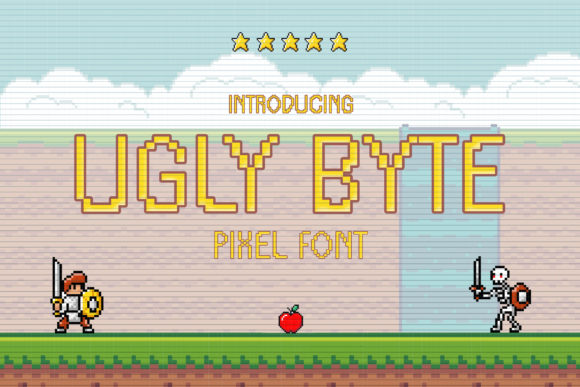
As a marketing specialist, you know the power of first impressions — especially in mobile app promotions. Ugly Byte is a unique pixel display font that adds an edgy, nostalgic flair to your digital content. Its blocky, low-resolution aesthetic evokes retro gaming culture while standing out in crowded app store listings or social media feeds. When launching a new app or updating an existing one, using Ugly Byte can help communicate authenticity and creativity, making your brand more relatable to audiences who love vintage-inspired visuals.
The font's strong character set ensures clarity even at smaller sizes, which is crucial for mobile users scrolling through content quickly. Whether you're designing a teaser video thumbnail, a download CTA banner, or a splash screen graphic, Ugly Byte brings a distinct personality that aligns with modern yet playful brand identities.
Ugly Byte in Game Marketing and Interactive Campaigns
If you're promoting games or interactive experiences, Ugly Byte is a perfect fit. The pixelated style naturally connects with gaming aesthetics, from indie titles to nostalgic remakes. Use it in YouTube thumbnails, Steam banners, or Twitch overlays to instantly capture attention and signal the fun, retro vibe of your product. This font isn’t just decorative — it’s strategic. It helps build visual consistency across platforms, reinforcing your game's identity without overcomplicating the design.
In campaign visuals for in-game events or seasonal updates, Ugly Byte allows you to create high-impact headlines and callouts. Pair it with a clean sans serif font for captions and descriptions to balance its boldness with legibility. This combination works well in promotional emails, push notifications, and in-app messages where readability and engagement are key.
Creating Retro-Inspired Promo Graphics with Ugly Byte
Retro design projects have seen a massive resurgence in marketing, particularly on platforms like Instagram and TikTok. Ugly Byte fits seamlessly into this trend, offering a fresh take on 8-bit typography. For example, if you're running a throwback-themed campaign for a music festival, vintage clothing line, or retro tech brand, this display font can elevate your visuals by giving them a tactile, authentic feel.
- Use Ugly Byte in posters for retro pop-up shops or exhibitions.
- Create eye-catching Instagram Stories or reels covers with pixel-perfect text.
- Design Facebook ad banners that stand out with a vintage twist.
Ugly Byte as a Creative Font for Web Design and Banners
Web designers and marketers often struggle to find fonts that work well across devices and maintain their impact in both large headers and small buttons. Ugly Byte is a display font designed specifically for digital visibility. Its contrasted strokes and clear forms make it ideal for website banners, landing pages, and promo graphics that need to be read at a glance.
When building a creative portfolio site or a limited-time offer landing page, consider using Ugly Byte for headlines and title sections. It adds character without sacrificing functionality. For body copy or navigation labels, pair it with a complementary premium font that supports longer text blocks. This approach ensures your brand remains consistent but still benefits from the visual punch of Ugly Byte in key areas.
Maximizing Readability in Fast-Scrolling Feeds
One of the biggest challenges in social media marketing is ensuring your message is seen before the scroll continues. Ugly Byte addresses this by being highly legible at a distance. The font's structured shape makes it easy to read on small screens, whether it's a Twitter post, a LinkedIn article cover, or a Pinterest pin.
To optimize for these environments, use Ugly Byte in short bursts — for headlines, call-to-action buttons, or quote graphics. Avoid using it for long paragraphs or dense information. Instead, leverage it to highlight key phrases like "Limited Stock," "Now Available," or "Join the Fun." These short, impactful statements drive engagement and improve click-through rates when paired with the right imagery.
Ugly Byte for Social Media Reels Covers and Thumbnails
YouTube and Instagram Reels are all about instant visual appeal. A poorly chosen font can make your thumbnail blend into the background noise of the feed. With Ugly Byte, you get a font that commands attention thanks to its pixel-based structure and dynamic form. It's not just a typeface — it's a tool for crafting memorable thumbnails that stop scrollers in their tracks.
For example, if you're launching a video series called "Pixel Pop Culture," using Ugly Byte in your reel covers will immediately establish the theme and tone. You can also use it for event countdowns, behind-the-scenes teasers, or animated intros. Just remember to always review commercial licensing before embedding the font into client campaigns or branded templates.
Using Ugly Byte in Email Headers and CTAs
Email marketing still holds a powerful place in conversion strategies, and the right typography can make your subject lines and headers more compelling. Ugly Byte is a great choice for email headers that need to reflect a casual, youthful, or experimental brand voice. It can add a layer of intrigue to your subject line and pre-header text, especially when used sparingly for emphasis or in themed newsletters.
Here’s a practical tip: Combine Ugly Byte with a minimalist sans serif font in your email body to keep the layout clean while still benefiting from the boldness of the display font in headlines. This strategy helps guide the reader's eye toward the most important parts of your message, improving open and click-through rates.
Ugly Byte for Branded Templates and Content Series
Content creators and social media managers often rely on reusable templates to streamline their workflow. Ugly Byte is a versatile display font that can be integrated into a wide range of branded assets. From webinar banners to podcast artwork, it offers a cohesive look that can be applied across multiple platforms and formats.
Imagine creating a monthly content series around "Retro Tech Tips" or "Pixel Art Tutorials." Using Ugly Byte consistently in your headers and title cards would give each piece a unified identity, helping reinforce your brand in the minds of your audience. This level of visual consistency is essential for growing recognition and trust in your content library.
Font Pairing Strategies with Ugly Byte
While Ugly Byte stands out on its own, it also pairs effectively with other fonts to enhance overall design harmony. As a rule of thumb, stick to one display font per project to avoid visual clutter. However, using Ugly Byte alongside a sleek sans serif or a classic serif font can add depth and contrast to your layouts.
- Sans serif pairing: Great for modern brands; choose a neutral font like Helvetica or Roboto for captions and body text.
- Serif pairing: Offers a more editorial or luxury feel; try Georgia or Didot for elegant designs.
- Script/handwritten pairing: Ideal for personal branding or creative campaigns; opt for a font like Pacifico or Quicksand for softer elements.
These combinations allow you to maintain a strong visual hierarchy while keeping your message clear and accessible. Always test how different font pairings render on various devices and preview sizes to ensure optimal performance in real-world scenarios.
Ugly Byte for Seasonal Promotions and Product Teasers
Seasonal campaigns benefit greatly from a distinct typographic identity. Ugly Byte is a display font that can be adapted for holidays, sales events, or special releases. For instance, during a Halloween promotion for a retro arcade-style game, using Ugly Byte in your promotional materials creates a sense of nostalgia and excitement simultaneously.
Another example is using Ugly Byte for product teasers in a launch sequence. A simple black-and-white thumbnail with the words "Something New is Coming..." in Ugly Byte could generate curiosity and anticipation among your followers. The font’s retro charm makes it ideal for communicating surprise or mystery in a visually engaging way.
Ensuring Visual Consistency Across Platforms
Brand identity thrives on repetition and consistency. Ugly Byte is a display font that can serve as a cornerstone for your visual language. Whether it’s used in a logo mark, a headline for a blog post, or part of a merch design, the font maintains its character across different applications.
Use it in conjunction with brand colors and iconography to develop a signature look. This approach is especially effective for online shop promotions, where a consistent visual language builds familiarity and trust. Make sure to check the font’s licensing agreement before applying it to merchandise, digital products, or any commercial design assets.
Ugly Byte in Logo Design and Personal Branding
Logo design is where typography meets brand personality. If your brand is all about innovation, playfulness, or a touch of rebellion, Ugly Byte is a fantastic option. As a display font, it doesn't overwhelm but instead adds a distinctive edge that sets your logo apart from generic typefaces.
Personal branding is another area where Ugly Byte shines. Influencers, YouTubers, and bloggers can use it in their channel art, bios, or signature graphics to create a memorable and recognizable style. The font’s retro feel is perfect for those targeting Gen Z or millennials who appreciate nostalgic aesthetics in their content consumption.
Practical Tips for Using Ugly Byte in Your Workflow
To get the most out of Ugly Byte, follow these best practices:
- Use it for headlines, logos, and short-form text rather than lengthy paragraphs.
- Stick to high-contrast color schemes (black/white) to maximize visibility.
- Test the font at different sizes and resolutions to ensure it performs well on mobile and desktop.
- Avoid overusing it; let it shine in key moments to preserve its impact.
- Always confirm the font's commercial usage rights before deploying it in paid campaigns or client projects.
By integrating Ugly Byte thoughtfully into your design toolkit, you can create stronger emotional connections with your audience while maintaining professional standards of readability and usability.
Ugly Byte in Editorial Design and Content Hubs
Editorial design requires a balance between creativity and clarity. While Ugly Byte may not be suitable for body text, it excels in titles, pull quotes, and section headers. Its retro aesthetic makes it perfect for niche publications or blogs focusing on gaming, pop culture, or design history.
Consider using Ugly Byte in a content hub titled “The Evolution of Video Game Fonts” or “How Pixel Art Shapes Modern Design.” These kinds of articles can attract a specific audience interested in both typography and digital culture. The font adds a visual hook that encourages readers to engage further with your content.
Why Choose Ugly Byte Over Other Display Fonts?
There are countless display fonts available, but few combine retro charm with modern usability. Ugly Byte is a standout because it feels current while referencing past design trends. It’s not just a novelty — it’s a functional tool that enhances your messaging with a unique typographic perspective.
Marketers who want to differentiate their brand from competitors can benefit from this kind of thoughtful font selection. Ugly Byte gives your content a distinct flavor that aligns with creative storytelling and visual memorability, both of which are essential for standing out in today’s competitive digital landscape.
Ugly Byte for Merchandise and Print Materials
Merch design needs to be simple, bold, and instantly recognizable. Ugly Byte is a great choice for t-shirts, stickers, posters, or limited-edition items tied to gaming or retro themes. Its pixelated style translates well to print and vector formats, making it adaptable for both digital and physical use cases.
However, before finalizing your designs, always verify the font's commercial license to ensure it’s permitted for merchandise production. Once cleared, Ugly Byte can become a signature element of your brand’s visual identity, turning your products into wearable or collectible design assets.
Real-World Examples of Ugly Byte in Action
Let’s put Ugly Byte into practice with a few examples:
- Product Launch: A retro-styled headphone company uses Ugly Byte in a YouTube teaser saying, “Feel the Sound of Nostalgia.”
- Instagram Post: A fashion influencer highlights a new capsule collection with a header in Ugly Byte reading “Pixel Chic Is Back.”
- Email Header: An online course promotes a "Game Dev Masterclass" using Ugly Byte for the headline to evoke interest and credibility in the space.
Each of these examples shows how Ugly Byte can be tailored to different industries and styles, proving its versatility beyond just a single niche.
Final Thoughts on Ugly Byte for Digital Marketers
While we've avoided predictable labels, it's worth emphasizing that Ugly Byte is more than just a display font — it's a strategic design asset. Its retro-inspired pixel style speaks to a generation raised on digital nostalgia, making it a powerful tool for engagement and brand storytelling.
From thumbnails to web banners, and from merch to email headers, Ugly Byte adapts to your needs without compromising its bold character. When used correctly, it can significantly enhance your visual communication, support brand recognition, and ultimately lead to better campaign performance.